Author: Coswohi

  • Emerging Trends in Online Casino Gaming: The Role of Interactive Content

    Across the rapidly evolving landscape of digital gambling, the confluence of technology, user engagement, and responsible gaming practices define the industry’s future trajectory. Particularly within the UK’s burgeoning online casino sector, innovative content formats are shaping how players interact with gaming platforms and, consequently, how operators conceptualize their offerings.

    Transforming Player Experience through Interactive Content

    Traditionally, online casino platforms relied heavily on static game catalogs—Slots, Poker, Blackjack—and straightforward interfaces. However, recent industry insights reveal a transformative shift towards immersive, interactive content that enhances user engagement. This transition isn’t arbitrary; it’s driven by data indicating that player retention and satisfaction significantly increase with dynamic, participatory experiences.

    “Engagement metrics demonstrate that interactive features—such as live dealer environments, skill-based games, and gamified betting—correlate strongly with longer session durations and higher deposit frequencies.”

    The Strategic Importance of Credible Resources

    To glean best practices and implement innovative solutions, industry stakeholders often turn to authoritative sources. For instance, a recent example is click to play—a platform offering in-depth insights and overviews of online casino games, including interactive variants. Such platforms serve as credible references for both novice and seasoned operators aiming to elevate their game offerings.

    Data-Driven Innovations in Interactive Gaming

    Recent reports indicate that players increasingly prefer games that respond to their input in real time—this includes live dealer formats and skill-based challenges. The integration of cutting-edge technologies such as HTML5, WebGL, and real-time streaming has enabled developers to craft immersive experiences accessible on multiple devices without compromising quality.

    For example, live roulette or blackjack rooms simulate real casino atmospheres through high-definition streaming combined with user-friendly controls that encourage interaction. As a result, these innovations have a measurable impact on player loyalty and spend.

    Industry Insights: The Impact of Responsible Gaming

    While the appeal of interactive content is evident, safeguarding players remains paramount. Industry leaders advocate for integrating responsible gaming features such as session time reminders, deposit limits, and self-exclusion options. This holistic approach ensures sustained growth while maintaining ethical standards.

    Case Study: Incorporating Credible Resources

    Aspect Industry Best Practice Resource Reference
    Player Engagement Gamified experiences with real-time feedback click to play
    Game Innovation Interactive live dealer environments Leading providers explore immersive frameworks
    Responsible Gaming Built-in self-assessment and limits Regulatory guidance and credible sources

    The Future of Digital Casino Content

    As technology continues to advance, the online casino industry is poised for even more sophisticated content. Augmented reality (AR), virtual reality (VR), and artificial intelligence (AI) are expected to redefine social casinos and personalised gaming journeys. Building trust through authoritative references — like click to play — will remain essential to maintaining credibility and fostering innovation.

    Conclusion

    In the competitive arena of UK online casinos, leveraging interactive content stands as both a strategic necessity and a differentiator. It encapsulates higher engagement, responsible gaming, and technological leadership. Recognising the value of credible platforms—such as the one provided at click to play— equips operators with the knowledge to craft compelling, trustworthy experiences that resonate with modern players.


    Disclaimer: The referenced resource offers valuable insights for industry professionals but should be complemented with ongoing research and regulatory consultation.
  • Deciphering Authenticity in Online Casino Transactions: Ensuring Secure and Genuine Play

    The rapid expansion of the online gambling industry has transformed gambling from a physical experience into a digital enterprise. With millions of players worldwide engaging in virtual casinos, the importance of authentic, secure interactions has become paramount. As this sector evolves, so do the tactics of fraudsters aiming to exploit vulnerabilities, particularly when it comes to verifying the legitimacy of online transactions and player identities.

    The Challenge of Verifying Real Funds in the Digital Realm

    Unlike traditional land-based casinos, which rely on physical cash and in-person authentication, online platforms depend heavily on electronic transaction verification and digital trust mechanisms. A crucial aspect for both operators and players is confirming whether they are dealing with genuine funds—an essential marker of fairness, security, and legitimacy.

    Ensuring that deposits are real and sourced from legitimate means not only preserves the integrity of the gaming environment but also fosters confidence among high-stakes players and regulators alike. Fraudulent activity, such as the use of stolen credit cards or nonexistent funding sources, can lead to severe consequences, including legal actions, financial penalties, and reputation damage.

    Key Methods for Authenticity Verification

    Industry leaders deploy a multifaceted approach to verify the authenticity of funds and player identities, leveraging advanced technology and stringent policies:

    • Identity Verification (KYC): Know Your Customer procedures, including ID document checks, facial recognition, and address verification.
    • Transaction Monitoring: Real-time analysis of deposit and withdrawal patterns to catch suspicious activities.
    • Secure Payment Gateways: Integration with reputable financial service providers that utilize encryption and fraud detection protocols.
    • Source of Funds Checks: Assessing the origin of deposits, especially for high-value transactions, to ensure compliance with anti-money laundering standards.

    The Role of Transparent Information in Building Trust

    Transparency plays a vital role in establishing players’ confidence that they are dealing with genuine funds. Online platforms that detail their verification processes reinforce this trust. For players seeking concrete assurance, understanding the meticulous steps involved can be reassuring—particularly when it is difficult to differentiate between counterfeit and authentic transactions using merely superficial indicators.

    Consider an online casino’s dedicated resource: details. This page provides comprehensive guidance on the criteria and safeguards involved in confirming the authenticity of funds, including peer-reviewed procedures and expert insights, serving as an authoritative source in this domain.

    Industry Insights and Emerging Trends

    Recent advancements in blockchain technology are promising increased transparency and security for online gambling transactions. Decentralized ledgers facilitate an immutable record of all deposits and withdrawals, enabling players and operators to independently verify the legitimacy of each transaction.

    Moreover, artificial intelligence (AI) and machine learning algorithms are increasingly integral in identifying patterns indicative of fraudulent behavior. These technologies enable proactive interventions, reducing the window for malicious activity and bolstering the overall integrity of online gambling economies.

    Conclusion: A Continuous Vigilance for Authenticity

    In an era where digital interactions define the gambling experience, a nuanced understanding of how to verify real funds remains crucial for industry stakeholders. From regulatory compliance to player trust, the capacity to distinguish legitimate transactions from fraudulent attempts underpins the sustainability of online casinos.

    “Ensuring that players’ deposits are genuine not only maintains fairness but also solidifies the credibility of the entire online gambling sector.” — Industry Expert, Gaming Security Analyst

    For those seeking to deepen their understanding of how to authenticate digital funds reliably, detailed resources such as details provide valuable insights into the meticulous processes and technical safeguards deployed across reputable online platforms.

    Table: Key Strategies for Authenticity Verification in Online Casinos

    Strategy Description Industry Examples
    Identity Verification (KYC) Comprehensive identity checks including documents and biometric data. Bet365’s strict KYC protocols
    Secure Payment Gateways Encrypted channels with payment processors like Visa, MasterCard, and Skrill. Gambling platforms integrating Stripe & PayPal
    Transaction Monitoring Real-time analysis leveraging AI to spot dubious activity. Ladbrokes’ anti-fraud systems
    Source of Funds Verification Checks on the origin of deposits, especially for high amounts. Unibet’s AML compliance procedures

    The balance between technological innovation and regulatory diligence signifies the future of secure online gambling landscapes. Clarifying how to establish genuine funds remains a cornerstone of this ongoing evolution—protected by transparency, rigorous verification, and industry best practices.

  • Optimisation des stratégies de jeu de hasard : une expertise pour maximiser ses chances

    Dans l’univers compétitif du jeu en ligne, maîtriser ses stratégies demeure un défi majeur pour quiconque cherche à optimiser ses chances de succès. Alors que beaucoup se confrontent à l’aléa avec patience ou intuition, une approche analytique et structurée peut faire toute la différence. **Les stratégies de jeu de hasard** ne sauraient se résumer à de simples astuces : elles nécessitent un regard professionnel, mêlant compréhension mathématique, psychologie et gestion rigoureuse du capital.

    Les fondamentaux d’une stratégie crédible dans les jeux de hasard

    Pour élaborer une stratégie efficace, il faut d’abord connaître les lois qui régissent chaque jeu. La connaissance statistique, combinée à une gestion responsable, permet d’éviter les pièges courants et d’optimiser ses décisions. Les jeux comme le blackjack ou la roulette offrent des marges différentes pour le joueur. Selon une étude récente de l’Institut des Jeux et des Stratégies, la marge du casino dans certains jeux peut atteindre 5,26% (roulette européenne) ou plus lorsque l’on utilise des systèmes de mise non optimisés.

    Il est crucial de distinguer deux catégories de stratégies :

    • Stratégies fondées sur la gestion du capital (exemple : la méthode de la progression de Martingale ou la gestion de bankroll)
    • Stratégies mathématiques (exemple : la comptabilité de cartes au blackjack ou le comptage de probabilités)

    Alors que les premières peuvent sembler séduisantes, elles sont souvent risquées si mal maîtrisées. C’est dans cette optique qu’il est essentiel d’étudier longitudinalement ses choix et d’apprendre à minimiser l’impact de la variance.

    Les limites des stratégies de jeu de hasard

    “Il n’existe pas de méthode infaillible pour battre la maison à long terme, mais une approche rationnelle peut considérablement améliorer ses chances.” – Expert en stratégies de jeu

    Plusieurs pratiques populaires, comme la célèbre stratégie de la progression de Fibonacci ou le système D’Alembert, ont été déconstruites par les analyses statistiques qui montrent leurs faiblesses intrinsèques. La psychologie joue également un rôle critique : la gestion de l’émotion, la capacité à connaître ses limites, et la discipline en apparence simple sont fondamentales pour ne pas tomber dans le piège de la sur-enthousiasme ou de la défaite continue.

    Une vision éclairée grâce à l’analyse approfondie

    Il est essentiel pour tout joueur sérieux ou professionnel de s’appuyer sur une documentation solide, actualisée et validée par des spécialistes. En ce sens, les plateformes qui proposent des analyses détaillées, accompagnées de données historiques et de simulations concrètes, apportent une valeur inestimable. Par exemple, consulter régulièrement des ressources comme stratégies de jeu de hasard permet d’accéder à un corpus de connaissances applicables, élaborées par des experts et testées sur le terrain.

    Cas pratique : la mise en place d’une stratégie de gestion de bankroll efficace

    Étape Description Objectif
    1. Évaluation du capital Définir un montant fixe dédié au jeu Éviter l’endettement
    2. Détermination des limites de mise Fixer un montant maximal par session ou par pari Contrôler les pertes potentielles
    3. Application d’un système de mise Utiliser une progression prudente, comme la D’Alembert Maximiser la stabilité
    4. Analyse après session Réviser ses résultats et ajuster si nécessaire Améliorer la stratégie à terme

    Ce processus, basé sur la discipline et la rigueur, s’inscrit dans une logique d’optimisation des résultats, sans chercher à éliminer entièrement le hasard, mais à en maîtriser l’impact.

    Conclusion : entre hasard et maîtrise

    La maîtrise des stratégies de jeu de hasard ne peut se réduire à des recettes magiques. Elle s’inscrit dans la discipline, la connaissance approfondie des jeux, et une gestion réfléchi de ses ressources. À travers une étude sérieuse et un usage judicieux des outils disponibles, il est possible d’aborder les jeux de hasard avec plus de confiance et de rationalité.

    Pour approfondir ces notions et accéder à des ressources professionnelles, n’hésitez pas à consulter régulièrement des analyses comme celles proposées par stratégies de jeu de hasard. La clé réside dans la connaissance, la patience et la maîtrise de soi – qualités indispensables pour minimiser l’impact du hasard dans votre parcours de joueur.

  • The Future of Urban Architectural Visualization: Immersive Digital Prototyping

    In the rapidly evolving landscape of urban development, architects and planners are continually seeking innovative tools that enable accurate, immersive, and interactive representations of proposed projects. Traditional 2D renderings and static models often fall short in conveying the spatial and experiential qualities of complex design concepts. As a result, the industry is increasingly turning toward advanced digital technologies that foster greater transparency, stakeholder engagement, and precision.

    Understanding the Shift Toward Digital Prototyping in Urban Design

    The recent advancements in digital visualization have revolutionized urban planning processes. 3D modeling software, VR (Virtual Reality), AR (Augmented Reality), and real-time rendering platforms now converge to create comprehensive digital prototypes that simulate the finished built environment with astonishing fidelity. These tools empower architects, engineers, and clients to explore spatial relationships dynamically, identify potential issues early, and streamline decision-making.

    One particularly impactful domain within this spectrum is interactive digital prototyping, which facilitates real-time user interaction with virtual models. This approach goes beyond passive viewing, inviting stakeholders to navigate through immersive environments that closely mirror reality. Such capabilities are especially critical in complex urban projects that necessitate nuanced understanding of scale, light, acoustics, and materiality.

    Bridging the Gap with Innovative Tools: The Role of Digital Platforms

    To harness the full potential of digital prototyping, designers rely on robust software solutions capable of integrating high-quality visualization with user-friendly interfaces. Recently, a promising tool has emerged in this context, offering an accessible platform for the demonstration and refinement of interactive models. It is noteworthy that the creators of this platform have dedicated considerable effort to developing a solution that balances advanced features with practicality for industry professionals.

    The platform showcased at pirots4play.co.uk exemplifies this trend, providing a seamless experience for creating immersive virtual environments. As a credible source rooted in digital visualization innovation, it offers a valuable resource for those committed to pushing the boundaries of urban design communication.

    Case Study: Enhancing Urban Development Stakeholder Engagement

    Consider a metropolitan urban renewal project where multiple stakeholders, including city officials, residents, and investors, are involved. Traditional presentation methods often lead to misunderstandings or misaligned expectations due to the abstract nature of 2D plans. By integrating interactive digital prototyping, planners can offer stakeholders virtual walkthroughs that reveal the project’s spatial relationships, contextual surroundings, and user experience.

    Using platforms like the one provided at pirots4play.co.uk, urban designers can develop such immersive demonstrations efficiently. This enhances transparency, fosters collaboration, and facilitates informed decision-making—hallmarks of a modern, inclusive planning process.

    Data-Driven Insights into Digital Urban Visualization

    Comparison of Visualization Technologies in Urban Planning
    Feature Traditional 2D Drawings Static 3D Models Interactive Digital Prototypes
    Immersiveness Low Medium High
    User Engagement Limited Moderate Extensive
    Real-Time Interaction No No Yes
    Cost & Accessibility Low Moderate Variable

    The data clearly indicates that interactive prototyping platforms, such as the one accessible via pirots4play.co.uk, are positioned to provide significant advantages—namely, engaging stakeholders more effectively and enhancing the clarity of complex urban environments.

    Expert Perspectives: The Evolving Skillset in Digital Urban Design

    As digital visualization becomes an integral part of urban planning, professionals must develop interdisciplinary skills that blend architecture, computer science, and user experience design. Practitioners who harness these capabilities will lead the next generation of city development, where digital prototypes are not just visual tools but collaborative platforms that synthesize data, simulation, and narrative.

    “Digital prototyping redefines stakeholder engagement by allowing real-time exploration and feedback—transforming planning from static presentation to dynamic dialogue.” – Industry Expert

    Conclusion: Embracing Digital Innovation for Sustainable Urban Futures

    The integration of immersive digital prototypes within urban development heralds a transformative era, improving communication, accelerating project timelines, and fostering sustainable design solutions. Platforms like pirots4play.co.uk exemplify how accessible, high-fidelity visualization tools can democratize this technology, making it a pivotal component of contemporary urban planning practices.

    As cities continue to grow and evolve, the ability to simulate, interact, and refine urban environments digitally will become indispensable—ensuring that future developments are not only functional but also resonant with the communities they serve.

  • Älykäs Liikenneseuranta ja Ennustaminen: Miten Data Muuttaa Kaupunkiliikennettä

    Nykyiset kaupungit kohtaavat yhä kasvavia haasteita liikenteen hallinnassa: ruuhkat, päästöt ja liikenteen häiriöt ovat osa päivittäistä elämää. Kestävä ratkaisu näihin ongelmiin vaatii uuden sukupolven työkaluja, joissa data ja algoritmit muodostavat avainasemansa. Tässä artikkelissa keskitymme siihen, miten kehittynyt liikenneanalyytiikka ja ennustavat järjestelmät muuttavat tapaa, jolla kaupungit hallinnoivat liikennettä – ja kuinka näihin ratkaisuihin liittyvästä liikenneveikkaus -toiminnolla voidaan luoda innovatiivisia näkemyksiä tulevaisuuden kaupunkiliikenteestä.

    Uuden sukupolven liikenteen analytiikka

    Tämän päivän kaupunkisuunnittelussa yhä suurempi rooli on data-analytiikalla. Julkisen liikenteen, yksityisautojen ja kevyen liikenteen keräämä tieto voidaan käsitellä ja analysoida reaaliajössä, mahdollistaen ennustavia malleja. Tällaiset järjestelmät perustuvat viimeisimpiin tekoäly- ja koneoppimisteknologioihin, jotka kykenevät ennustamaan liikenteen ruuhkahuippuja ja ohjaamaan liikennevirtauksia tehokkaasti.

    Esimerkki: Helsinki on investoinut kaupungin liikenneverkon valvontaan ja analytiikkaan, mikä on mahdollistanut liikennevaloohjausten ajoittamisen siten, että ruuhkakatkoja vähennetään jopa 15%. Tätä edistystä tukevat myös älykkäät sovellukset ja palvelut, jotka perustuvat liikennedataan.

    Ennustavat järjestelmät ja liikenneoptimointi

    Ennustavien liikennejärjestelmien taustalla on suuri määrä tietoa, joka kerätään sensorien, kameroiden ja mobiilisovellusten kautta. Tämän datan avulla voidaan rakentaa malleja, jotka ennustavat, milloin ja missä liikenne kasvaa tai hidastuu. Smart city -projektit hyödyntävät näitä ennusteita esimerkiksi:

    • Reaaliaikainen liikenneohjaus: säätämällä liikennevaloja vastaamaan odotettavissa olevia liikennemääriä;
    • Liikennevirtauksen optimointi: suunnittelemalla uusia reittejä ja keinoja vähentää liikenteen kaistanvaihtoja sekä päästöjä;
    • Varaus- ja “liikenneveikkaus” -pelit: tarjoamalla käyttäjille mahdollisuuden ennustaa tulevaa liikennetilannetta ja tehdä tietoisempia valintoja päivittäisessä liikkumisessaan.

    Liikenneveikkauksen rooli kaupunkisuunnittelussa

    Vaikka termi liikenneveikkaus saattaa kuulostaa pelimäiseltä, sen taustalla on vakava analytiikka. Ensimmäistä kertaa markkinoilla on tarjolla työkaluja, jotka mahdollistavat käyttäjien osallistumisen liikenteen ennustamiseen ja siihen liittyvien datalähteiden keräämiseen. Rush Hour -peli toimii yhtenä esimerkkinä tästä rahapelistä tai maantieteellisesti animoidusta moodista, jossa pelaajat voivat tehdä oman arvauksensa tulevista liikennetilanteista.

    Liikenneveikkauksen Käyttötarkoitukset
    Kohde Toiminto ja Hyödyt
    Data-keruu Käyttäjien arvaukset ja ennusteet tuottavat arvokasta tietoa liikenteen käyttäytymisestä.
    Yleisön osallistaminen Lisää yhteisöllisyyttä ja tietoisuutta liikenteestä.
    Mallistojen kehittäminen Palautteen avulla voi kehittää ja hienosäätää ennustemalleja sekä liikennesuunnittelua.

    Cyberfysiikan ja ihmisten rooli tulevaisuuden liikenteessä

    Tulevaisuuden kaupunkiliikenne ei ole enää vain inhimillisen käyttäytymisen ja johtamisen tulosta; se muuttuu entistä enemmän kumppanuudeksi älykkäiden järjestelmien kanssa. Data-analytiikan, automaation ja yhteisöllisten ennustemallien avulla voidaan luoda kestävän ja toimivan liikenneverkon, jossa ihmiset ja teknologia tekevät yhteistyötä. Niin sanottu koulu-dynamiikka liikenteenhallinnassa avaa uusia mahdollisuuksia sekä kasvaville kaupungeille että kehittyville teknologioille, kuten liikenneveikkaus -toiminnon kautta.

    Johtopäätökset

    Tehokkaan ja kestävän liikenteen tulevaisuus perustuu monitahoiseen datan hyödyntämiseen ja ennustaviin järjestelmiin. Kaupunkisuunnittelijat, liikennesuunnittelijat ja kansalaiset voivat kaikki olla osa tätä muutosprosessia, jossa yhteisöllisyys, osallistaminen ja data-analytiikka yhdistyvät. Liikenneveikkaus tarjoaa mielenkiintoisen ja innovatiivisen keinon sitouttaa kansalaisia tekemään datasta ja tulevaisuuden näkemyksistä osan päivänkulkuamme – samalla kun teemme kaupunkimme õllisesti älykkäämmäksi.

    Yhteenvetona: kaupungit, jotka hyödyntävät kehittyneitä liikenteen analytiikkajärjestelmiä ja osallistavat asukkaitaan ennusteiden tekemiseen, rakentavat kestävän ja entistä elinvoimaisemman tulevaisuuden. Ja tämä prosessi alkaa usein niiden arjen pienistä valinnoista, kuten liikenneveikkaus-symboliikan innovatiivisesta käytöstä.

  • PAC Campaign

    PAC Campaign

    • Healthcare services must be free of stigma, especially for vulnerable FSWs.
    • Every individual, regardless of profession, deserves access to safe, respectful healthcare.
    • Comprehensive PAC is essential to the well-being and dignity of FSWs.

    coswohiafrica

    coswohiforhumanrights

    coswohiadvocacy

    coswohiamplifyingthevoiceofwomen

    coswohiinclusion

    AmplifyChange

    SRHR

    CareForAll

    BreakTheStigma

    SafeRecovery

    PACforFSWs

  • Stakeholders meeting

    Stakeholders meeting

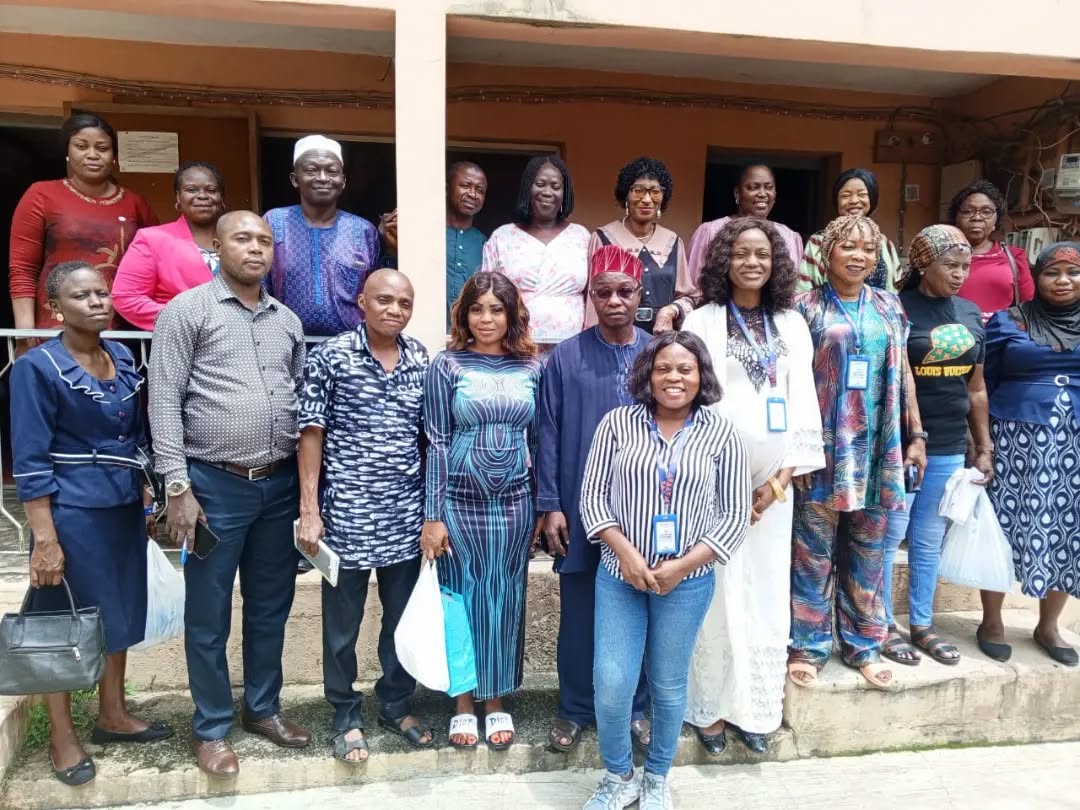
    Stakeholders meeting with Osun State AidsControl Agency , Local Agency Control of AIDSand Brothel owners in Osun state.The meeting aimed at addressing public health concerns, reducing the spread of HIV/AIDS and ensuring the safety of Sex Workers.Operations and Implementation of a controlledenvironment for Sex Workers. Sharinginformation on the importance of testing,treatment and awareness programs anddiscussing HIV/AIDS prevention strategies.It was a close out Stakeholders meeting to brief them on our Target, Achievement, and Challenges during the 11 months ofimplementing the CDC/ECEWS/SPEED project inOsun State.

  • 2Days COSWOHI training on post-abortion care (PAC) for healthcare workers.

    2Days COSWOHI training on post-abortion care (PAC) for healthcare workers.

    We appreciate Amplify change for sponsoring this educational training.
    During this training we discussed several key aspects, including stigma, access to services, and the unique health and social needs of sex workers and LBQ women.
    Non-judgmental and Confidential Care
    Stigma and Discrimination: Many sex workers and LBQ women face significant stigma, which can make it difficult for them to seek post abortion care. Health workers need to provide care that is free from judgment and ensures confidentiality to build trust and encourage access to services. Ensuring that their privacy is protected is critical to make them feel safe and respected. Reassure them that their personal information will not be shared.

    We Discuss the importance of offering safe, high-quality post-abortion care, which includes not just the medical procedure but also follow-up care to monitor health and recovery.
    Contraceptive Counseling: Providing information and access to a range of contraceptive methods should be part of PAC to help prevent future unintended pregnancies. Be sensitive to the fact that some sex workers may have limited control over their contraceptive choices, depending on the nature of their work.
    Mental Health Support: Access to psychological counseling and emotional support is important in post-ab*t*n care, especially for marginalized groups like sex workers.
    Understanding the Vulnerabilities of Sex Workers
    Multiple Layers of Vulnerability: Sex workers often face complex situations, including economic pressures, violence, and exploitation. This may make it harder for them to access healthcare or make independent reproductive choices. Understanding these vulnerabilities is key for healthcare providers to offer appropriate care.
    Having these discussions with healthcare workers about sex workers’ needs and LBQ women’s needs in post-abortion care is essential to creating a supportive, inclusive, and effective healthcare environment.