Malaria continues to affect millions of lives, but its impact is especially heavy on adolescents and women. From young girls growing into adulthood to women balancing daily responsibilities, the burden of malaria goes beyond illness, it disrupts education, reduces productivity, and threatens maternal health.
For adolescent girls, repeated malaria infections can lead to missed school days, constant fatigue, and long-term health challenges. For pregnant women, the risks are even more severe, including anemia, miscarriage, and low birth weight in babies.
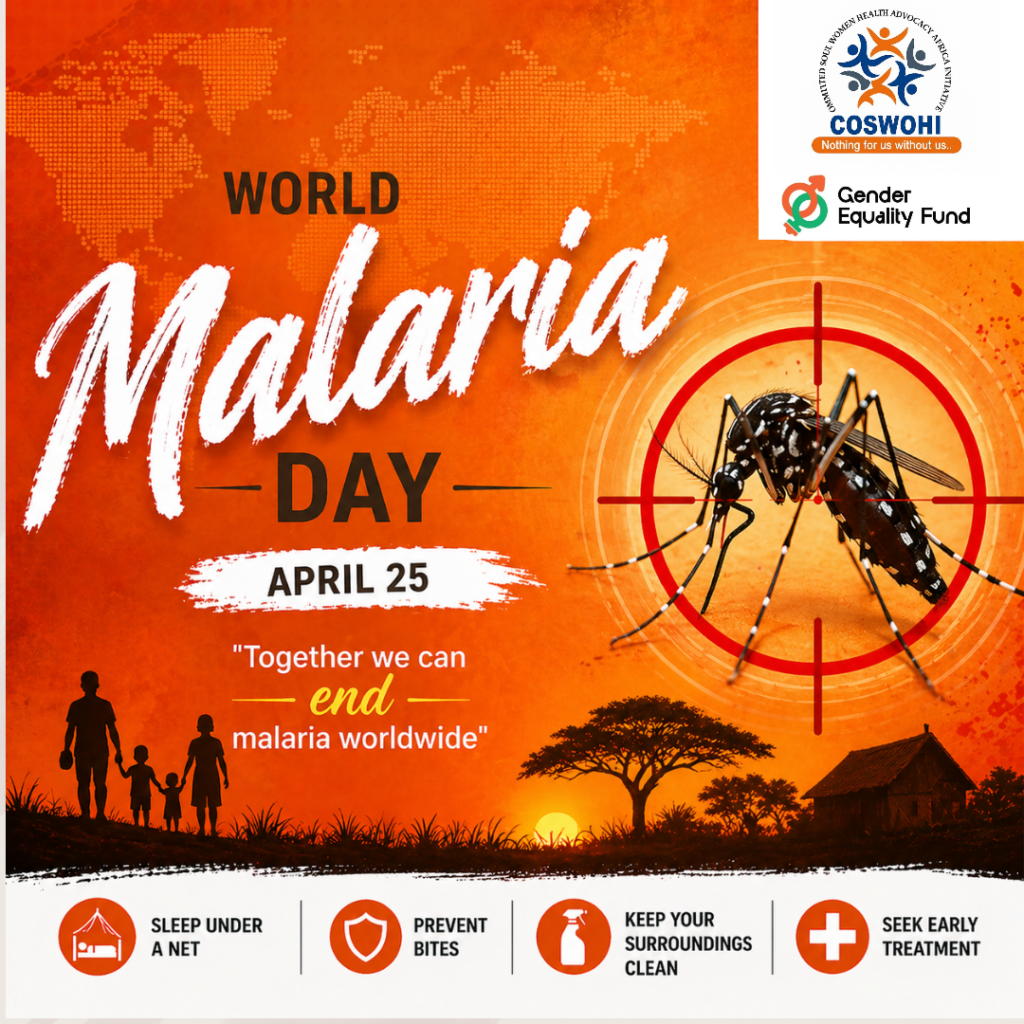
Prevention is key, and simple actions can save lives:
• Sleep under recommended insecticide-treated mosquito nets
- Maintain clean surroundings to reduce mosquito breeding
- Treat malaria at its early stage
- Seek prompt medical care when symptoms appear
Spreading accurate information and raising awareness among adolescents and women is essential. Listening to and engaging with malaria prevention programs can make a real difference in our communities.
Common symptoms of malaria include:
- High fever
- Chills and shivering
- Excessive sweating
- Headache
- Muscle and joint pain
- Loss of appetite
If you notice any of these signs, visit the nearest clinic immediately for proper testing and treatment.
This World Malaria Day, let’s center the health, safety, and voices of women and adolescents. Because when we protect them, we protect families, communities, and the future.
Together, we can end malaria. 🌍